


Counselling & Psychotherapy
A space where you can be yourself
Counselling and therapy with Michael provides a confidential, supportive and non-judgemental space to explore what you are experiencing, understand yourself more deeply, and move at your own pace towards meaningful change in your life.
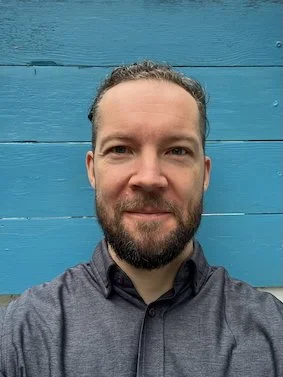
As a person-centred integrative therapist, I combine this approach with other therapeutic ideas and techniques when they may be helpful, for example using my training in teaching mindfulness-based approaches and mental health & wellbeing coaching. The process is collaborative and tailored to your style and pace, rather than following a fixed programme.
If you are considering therapy, we can begin by talking about what you hope to get from the process. Contact me to book a session or for a free 15 minute consultation:
Is it for me?
I have experience working with a range of client issues including anxiety, depression, low-self esteem, grief & bereavement, addiction recovery, family & relationship difficulties, anger issues, and disordered eating. Sometimes the reason for coming is simply a feeling that you would like some space to understand what is going on in your life and why.
I welcome all clients with a non-judgemental space to navigate their challenges and move at their own pace towards meaningful change and a greater sense of contentment in their life.
What kind of therapy is this?
Humanistic integrative, person-centred therapy is a way of working that starts with you as an individual. Rather than fitting you into a particular diagnosis or predetermined programme, therapy is shaped around your experiences, needs and goals.
The person-centred approach places particular importance on the relationship between therapist and client. I offer a space where you can talk openly and at your own pace, with empathy, acceptance and without judgement. Together, we can explore what is happening for you and begin to understand patterns, feelings and difficulties that may be affecting your life.
Integrative means that I may also draw on ideas and techniques from other therapeutic approaches where these seem helpful and appropriate for you.
What happens in therapy?
Sessions are primarily a conversation, but they are more than simply talking about your problems.
You might begin by talking about what has brought you to therapy and what you would like to be different. As the work develops, we can explore your thoughts, emotions, relationships, experiences and ways of responding to difficult situations.
There is no expectation that you have to arrive knowing exactly what you need or what to talk about. Sometimes the process begins simply with having the opportunity to say, perhaps for the first time, what you are experiencing.
I will listen carefully, ask questions when appropriate, and reflect with you on what you are noticing. We may also explore particular patterns or perspectives that could help you understand yourself differently.
The pace and direction of therapy are developed collaboratively. You remain the expert on your own experience.
What can person-centred therapy be useful for?
People come to therapy for many different reasons. You may be struggling with something specific, or you may have a more general sense that things are not quite right.
Therapy can provide a space to explore experiences such as:
anxiety, worry or feeling overwhelmed
low mood or loss of motivation
stress and difficulty coping
low self-esteem or self-criticism
relationship difficulties
loneliness or feeling disconnected from others
difficulties with boundaries or expressing your needs
life changes, loss or uncertainty
questions about identity, direction or meaning
the effects of difficult or painful experiences
recurring patterns that you would like to understand or change
You do not necessarily need to have a diagnosis or be able to clearly identify a particular problem before seeking therapy. Sometimes the reason for coming is simply a feeling that you would like some space to understand what is going on and why.
What might you gain from the process?
The purpose of therapy is not for someone else to tell you how to live your life. Instead, the process can help you develop a clearer understanding of yourself and your experiences, and create space to consider what you want and need.
Over time, this may involve becoming more aware of your emotions, recognising patterns in your relationships or behaviour, developing greater self-acceptance, or finding different ways of responding to situations that are difficult for you.
Therapy is a process, rather than a quick fix, and everyone's experience will be different. We can regularly review how the work is going and whether it continues to feel useful and relevant to you.
A space where you can be yourself
At the centre of person-centred therapy is the belief that a genuine, respectful and accepting therapeutic relationship can create the conditions for change.
You do not have to perform, have the right words, or present yourself in a particular way. Therapy offers a confidential space to slow down, reflect and talk about what matters to you.
If you are considering therapy, we can begin by talking about what has brought you here and what you hope to get from the process. Contact me to book a session or for a free 15 minute consultation:
Qualifications
MSc Counselling & Psychotherapy – to be completed Sept 2026
Student Associate member of the Irish Association of Humanistic and Integrative Psychotherapists (IAHIP) - working towards full accreditation
Advanced Diploma in Mental Health and Wellbeing Coaching
Diploma in Teaching Mindfulness-Based Approaches - in progress